
Rinnai VRF vs Midea VRF: Which System Is Right for Your Victorian Home?
Major Benefits
Upgrading heating and cooling systems in Melbourne homes means moving beyond basic split systems and into more advanced, multi-zone solutions. For larger homes, complex layouts or light commercial spaces, VRF technology has become the preferred option due to its precision, scalability and efficiency.
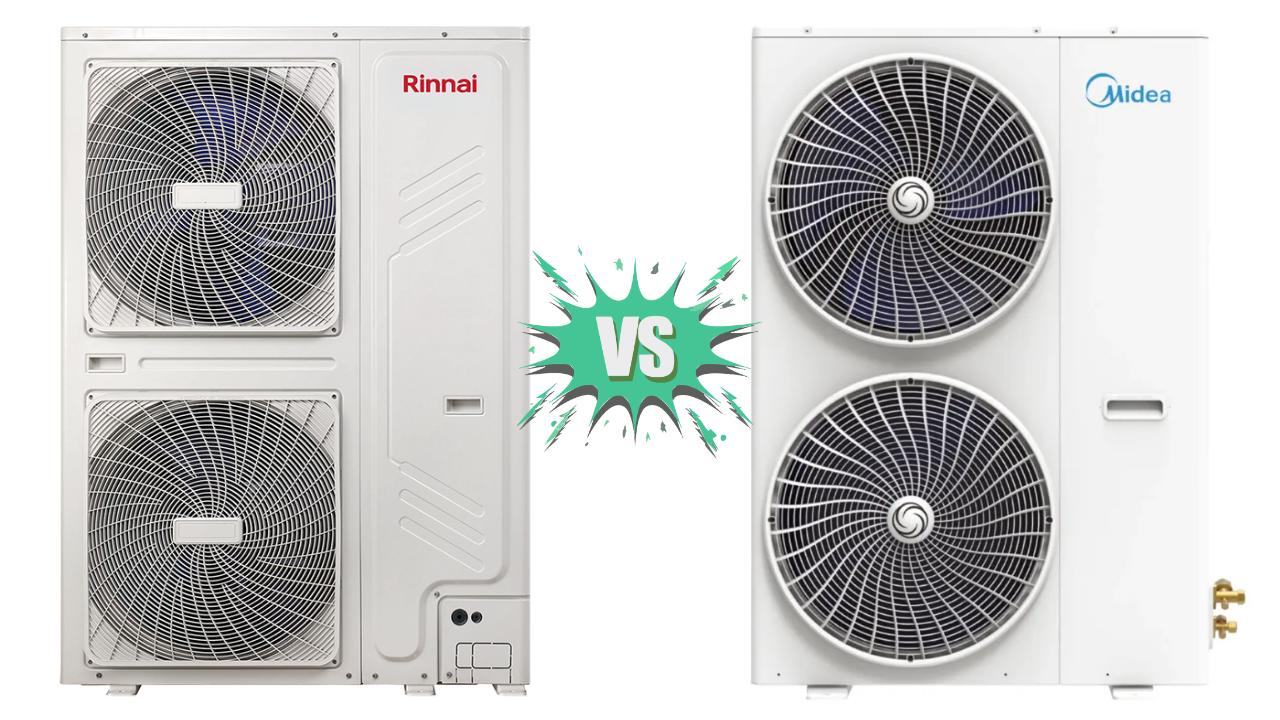
Once the decision to install a VRF system is made, the next question is brand selection. Two names commonly considered are Rinnai and Midea. Both offer modern VRF platforms designed for Australian conditions, yet they approach system design, control and application in noticeably different ways.
Understanding these differences is essential, not only for comfort and performance, but also when factoring in long-term efficiency, running costs and eligibility considerations linked to the Victorian Government Split System Rebate.
This guide provides a clear, side-by-side comparison of Rinnai VRF and Midea VRF systems to help you choose the solution best suited to your property.
Table of Contents
- What Is a Rinnai VRF System?
- What Is a Midea VRF System?
- The Core Difference: How Rinnai and Midea Approach VRF Design
- Rinnai VRF vs Midea VRF: Feature Comparison
- Which VRF System Is Right for Your Property?
- Rebate Considerations in Victoria
- Conclusion
- Frequently Asked Questions
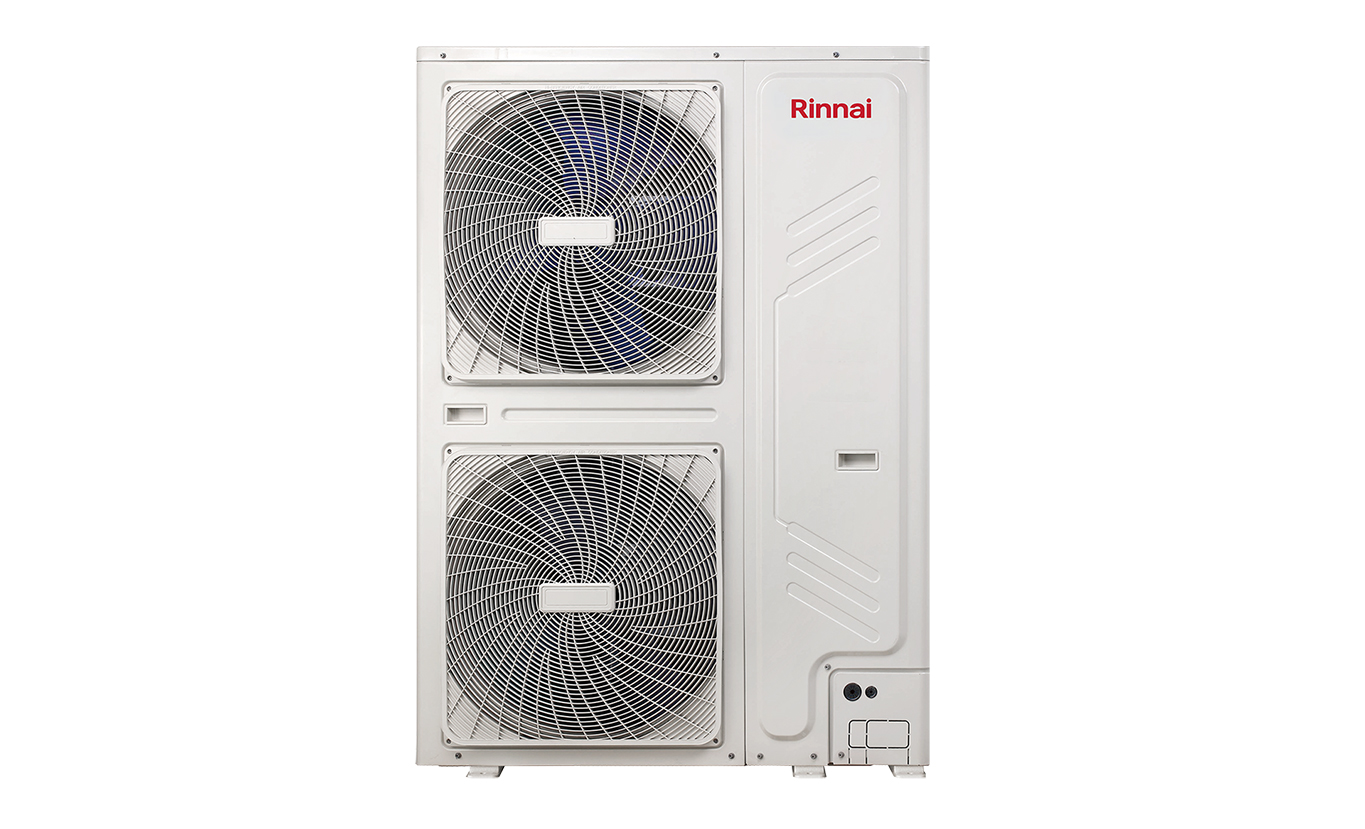
A Rinnai VRF system is designed to deliver highly stable, precise heating and cooling across multiple zones by continuously adjusting refrigerant flow in response to real-time demand. Built for residential and light commercial applications, Rinnai VRF systems focus on controlled performance rather than raw capacity.
At the heart of the system is an intelligent outdoor unit that responds to the combined requirements of each indoor zone. Through electronic expansion valves and advanced control logic, refrigerant is carefully metered to maintain consistent temperatures, even when individual rooms experience different thermal loads.
Rinnai’s approach to VRF prioritises reliability, smooth operation and long-term efficiency. Systems are commonly specified for properties where comfort consistency matters, such as multi-storey homes, architect-designed residences and smaller commercial environments where temperature stability directly impacts usability.
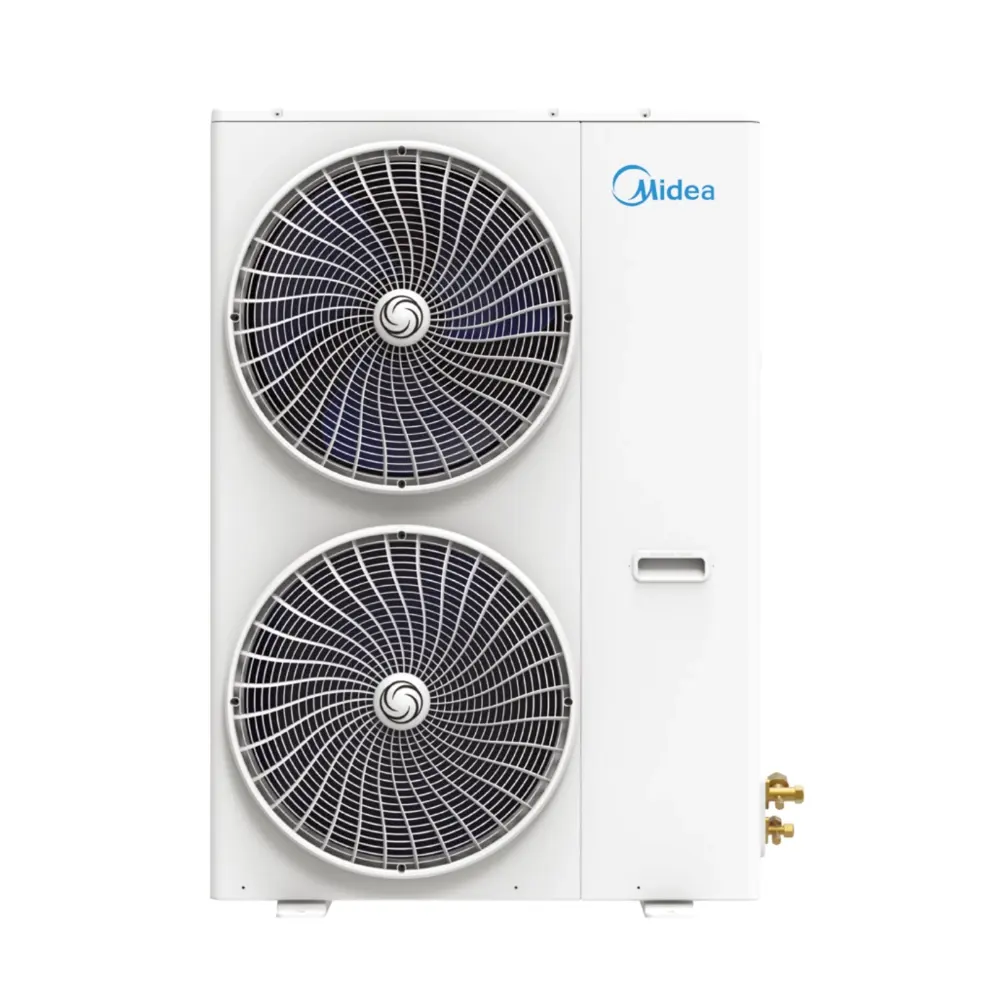
Midea VRF systems are built around flexibility, scalability and broad application. As one of the world’s largest HVAC manufacturers, Midea designs VRF platforms that can be adapted across a wide range of residential, commercial and mixed-use projects.
Midea VRF systems use advanced inverter compressors and distributed control strategies to efficiently manage multiple indoor units. The system adjusts output based on demand while allowing for extensive configuration options, including a wide variety of indoor unit types and layout possibilities.
This design philosophy makes Midea VRF particularly well suited to larger or more cost-sensitive projects where system adaptability, modular expansion and upfront value are important considerations alongside performance.
While both systems use VRF technology, the real distinction lies in how each brand approaches system design and control.
Rinnai’s VRF Design Philosophy
Rinnai VRF systems are engineered with a strong emphasis on precision and operational stability. Control algorithms are tuned to minimise temperature fluctuation, prioritising consistent comfort across all connected zones.
Rather than focusing on broad scalability, Rinnai’s VRF platform is optimised for properties where performance refinement and long-term dependability take precedence. This approach often appeals to homeowners and developers seeking predictable comfort outcomes and a streamlined system configuration.
Midea’s VRF Design Philosophy
Midea approaches VRF design from a modular and scalable perspective. Systems are built to accommodate a wide range of capacities, layouts and expansion requirements, making them suitable for diverse applications.
This flexibility allows Midea VRF systems to be configured for everything from large residences to multi-tenant commercial spaces. The emphasis is on adaptability and cost efficiency while still delivering strong energy performance under varying load conditions.
Both Rinnai and Midea VRF systems offer excellent performance when correctly designed and installed. The right choice depends on how your Victorian home is and what you value most from your heating and cooling system.
Choose Rinnai VRF if:
- You prioritise temperature stability and refined comfort control
- Your property has complex zones that require consistent performance
- Long-term reliability and system longevity are key considerations
- You prefer a system optimised for residential and light commercial use
Choose Midea VRF if:
- You require scalability or future system expansion
- Your project involves larger footprints or mixed-use layouts
- Budget flexibility is an important factor alongside performance
- You need a system adaptable to a wide range of indoor unit types
When planning a VRF system, it is important to understand how rebates apply. Eligibility under programs such as the Victorian Government Split System Rebate depends on the specific system configuration, energy ratings and installation by an accredited provider.
Not all VRF installations qualify automatically, and eligibility can vary based on whether the system is replacing existing equipment or forming part of a new installation. For homeowners exploring the air conditioner rebate in Victoria, a professional assessment is essential to determine what applies to your situation.
Proper system design not only affects comfort and efficiency but also plays a role in maximising potential rebate outcomes.
Choosing between Rinnai VRF and Midea VRF is not about determining which system is universally better. It is about selecting the technology that best aligns with your Victorian home, usage patterns and long-term expectations.
Rinnai VRF systems excel in delivering refined, stable comfort for properties where precision and reliability matter most. Midea VRF systems stand out for their adaptability, scalability and suitability for larger or more varied applications.
With thoughtful design and expert installation, either system can provide outstanding heating and cooling performance in Melbourne properties.
1. Are VRF systems eligible for the Victorian Government Split System Rebate?
Eligibility depends on the specific system configuration, energy efficiency ratings and installation by an accredited provider. Not all VRF systems automatically qualify.
2. Is VRF suitable for residential homes?
Yes. Modern VRF systems are commonly used in large or multi-storey homes where zoning precision and efficiency are important.
3. Which system is more energy efficient, Rinnai VRF or Midea VRF?
Both systems are highly efficient when designed correctly. Efficiency advantages depend on usage patterns rather than the brand alone.
4. Is VRF more complex to maintain than standard split systems?
VRF systems are more advanced, but with professional installation and regular servicing, maintenance requirements are well managed.